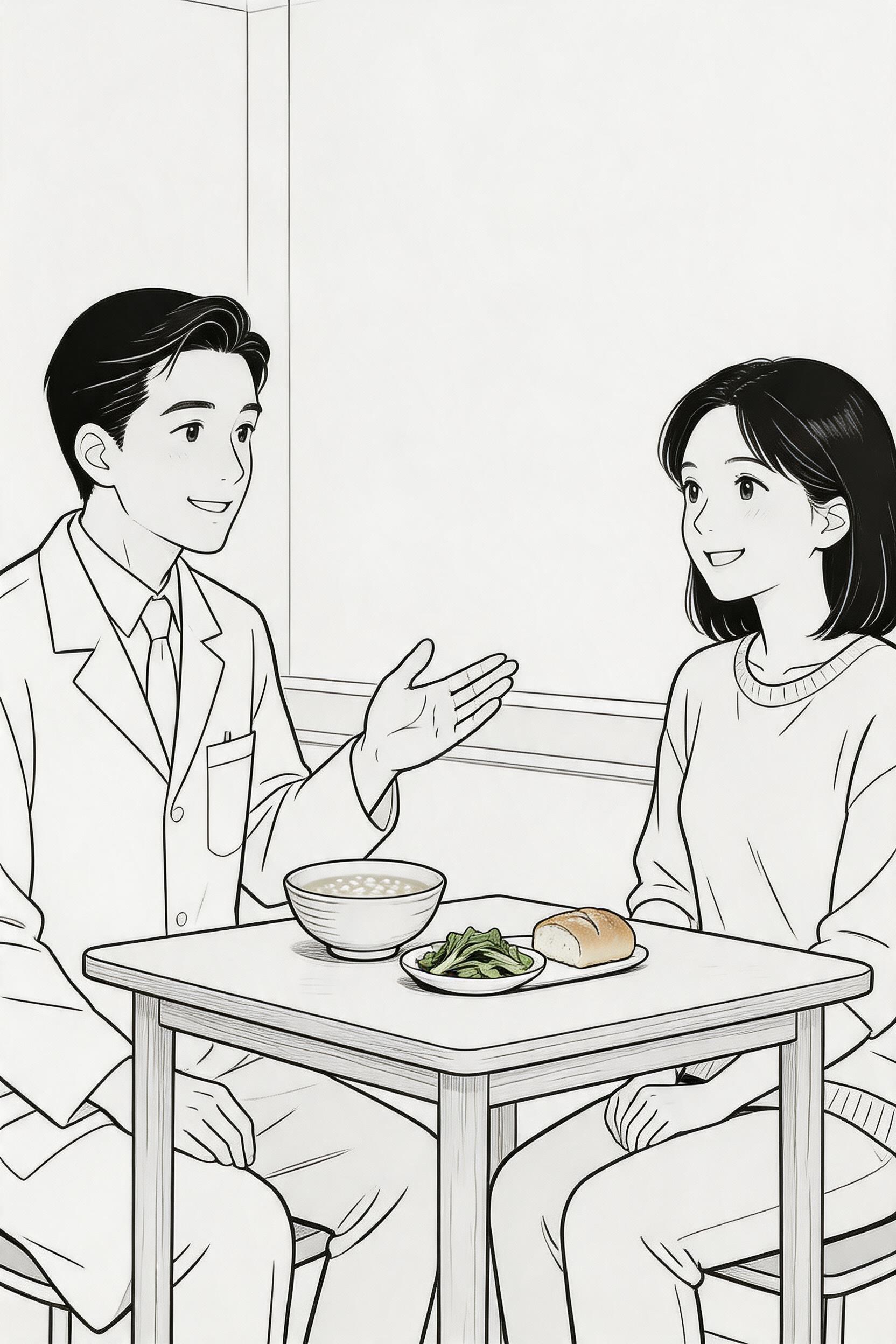
作为一名肝胆外科医生,我经常被患者问到:“胆囊切除后,我还能正常吃饭吗?”答案是肯定的。胆囊并非不可替代,但术后初期的饮食调整直接关系到您的恢复速度和生活质量。失去胆囊这个“胆汁仓库”后,肝脏分泌的胆汁会持续、少量地直接流入肠道。这就要求我们在术后初期,必须给消化系统一个重新适应的时间。
胆囊切除术后初期的四个饮食阶段
- 清流食阶段(术后1-2天):患者在排气后可开始饮用少量温水。随后可进食清流食,如米汤、去油鸡汤、清果汁。此时应绝对避免牛奶、豆浆等易产气食物,防止腹胀。
- 流食向半流食过渡(术后3-5天):如果清流食耐受良好,可过渡到白米粥、烂面条、疙瘩汤等易消化的碳水化合物,依然需要保持无油或极低油状态。
- 软食阶段(术后1-2周):出院后,患者可逐渐引入软烂的优质蛋白,如清蒸鱼肉、去皮鸡胸肉、水煮蛋清及豆腐。烹饪方式以蒸、煮、炖为主。此阶段必须严格保持低脂饮食,每日脂肪摄入量建议控制在30克以内。
- 逐步恢复阶段(术后1个月以后):根据自身的耐受程度,缓慢添加脂肪含量较低的瘦肉。每次尝试新食物时,应少量测试,观察是否有腹胀或腹泻。
术后饮食的“三忌”与“三宜”
- 忌高脂油腻:油炸食品、肥肉、动物内脏、坚果和奶油等会直接导致消化不良和脂肪泻。
- 忌辛辣刺激:辣椒、生蒜、烈酒会刺激胆道括约肌,可能引发右上腹隐痛不适。
- 忌暴饮暴食:一次性进食过多会骤然增加肠道负担,导致胆汁分泌相对不足。
- 宜高膳食纤维:燕麦、新鲜蔬菜和水果中的纤维可以结合肠道内多余的胆汁酸,促进胃肠蠕动,预防便秘。
- 宜优质低脂蛋白:蛋白质是组织修复的关键,充足的低脂蛋白有助于手术切口的愈合。
- 宜少食多餐:每天5-6顿小餐,可以使流入肠道的胆汁与食物充分混合,提高消化效率。
常见并发症:胆囊切除术后腹泻怎么办?
约20%-30%的患者在术后初期进食油腻食物后会出现腹泻(即“脂肪泻”)。这是因为未被充分乳化的脂肪直接进入大肠引起的。若发生此类情况,不必过度恐慌。您需要做的是立刻回顾并减少饮食中的隐形脂肪。绝大多数患者在术后3-6个月内,胆总管会逐渐代偿性扩张,起到部分储存胆汁的作用,腹泻症状会逐渐消失。若腹泻严重,请及时就诊,医生可能会建议短期使用调节肠道菌群或结合胆汁酸的药物。
免责声明
本文内容仅供医疗科普参考,不能替代专业医师的当面诊断和个性化治疗方案。每位患者的具体病情、手术方式(微创或开腹)及体质不同,术后饮食过渡的节奏请务必严格遵循您的主治医生或临床营养师的专业指导。如术后出现剧烈腹痛、发热或持续严重腹泻,请立即就医。
References
- Gallbladder removal - Aftercare - MedlinePlus
- Postcholecystectomy diet - NHS
- Life After Gallbladder Removal - Mayo Clinic
- Patient education: Gallbladder removal (The Basics) - UpToDate
As a hepatobiliary surgeon, one of the most common questions I hear from patients after a cholecystectomy (gallbladder removal) is, "When can I eat normally, and what should I eat?" While the gallbladder stores bile, it is not strictly essential for digestion. The liver continues to produce bile, which now drips continuously directly into the intestines rather than being released in a large, concentrated burst. Because of this change, your digestive system needs time to adapt, making early post-operative dietary adjustments crucial.
The Four Stages of Post-Op Diet
Stage 1: Clear Liquids (Days 1-2) After surgery, you will wait until your bowel sounds return and you pass gas. Start with small sips of water, clear broth, or apple juice. Avoid dairy and sugary drinks initially, as they can cause bloating and gas pains.
Stage 2: Full Liquids to Soft Diet (Days 3-5) If clear liquids are well-tolerated, you can transition to cream of wheat, plain oatmeal, or broth-based soups. Keep portions small and eat slowly.
Stage 3: Low-Fat Solid Foods (Weeks 1-2) Upon discharge, you can start incorporating solid foods, but they must be strictly low in fat (aim for less than 30 grams of fat per day). Introduce lean proteins like baked chicken breast (skinless), steamed fish, and egg whites. Cooking methods should be limited to boiling, steaming, or baking without added oils.
Stage 4: Gradual Reintroduction (Month 1 and beyond) After the first month, you can slowly reintroduce healthier fats back into your diet, such as avocados, olive oil, and nuts. Test one new food at a time to see how your body reacts.
The "Dos and Don'ts" of Recovery
- DO eat smaller, more frequent meals. Eating 5 to 6 small meals a day ensures that the steady trickle of bile can adequately mix with your food, improving digestion.
- DO increase soluble fiber. Foods like oats, beans, and fruits help bind bile acids in the intestine and normalize bowel movements.
- DON'T eat fried or greasy foods. Fast food, fatty meats, and heavy dairy will overwhelm your digestive system.
- DON'T overindulge in sweets. High sugar intake can exacerbate diarrhea in some patients.
Managing Post-Cholecystectomy Diarrhea
It is estimated that up to 20% of patients experience loose stools or diarrhea after gallbladder removal. Because bile is now constantly flowing into the colon, it can act as a laxative. If you experience this, reduce your fat intake even further and ensure you are staying hydrated. Over time, the sphincter of Oddi and the common bile duct will adapt to hold and regulate bile better. If diarrhea persists for more than a few weeks, consult your surgeon; medications like bile acid binders may be prescribed.
Disclaimer: This article is for informational purposes only and does not replace professional medical advice. Always follow the specific dietary guidelines provided by your surgeon.
延伸阅读:推荐电子书
如果你希望更系统地了解胆囊切除术后饮食、腹泻、腹胀、脂肪消化与营养修复,可以进一步查看刘波医生整理的相关患者教育资料与电子书页面。
《手術成功了,為什麼我的身體變了?——膽囊切除後的飲食與營養修復》