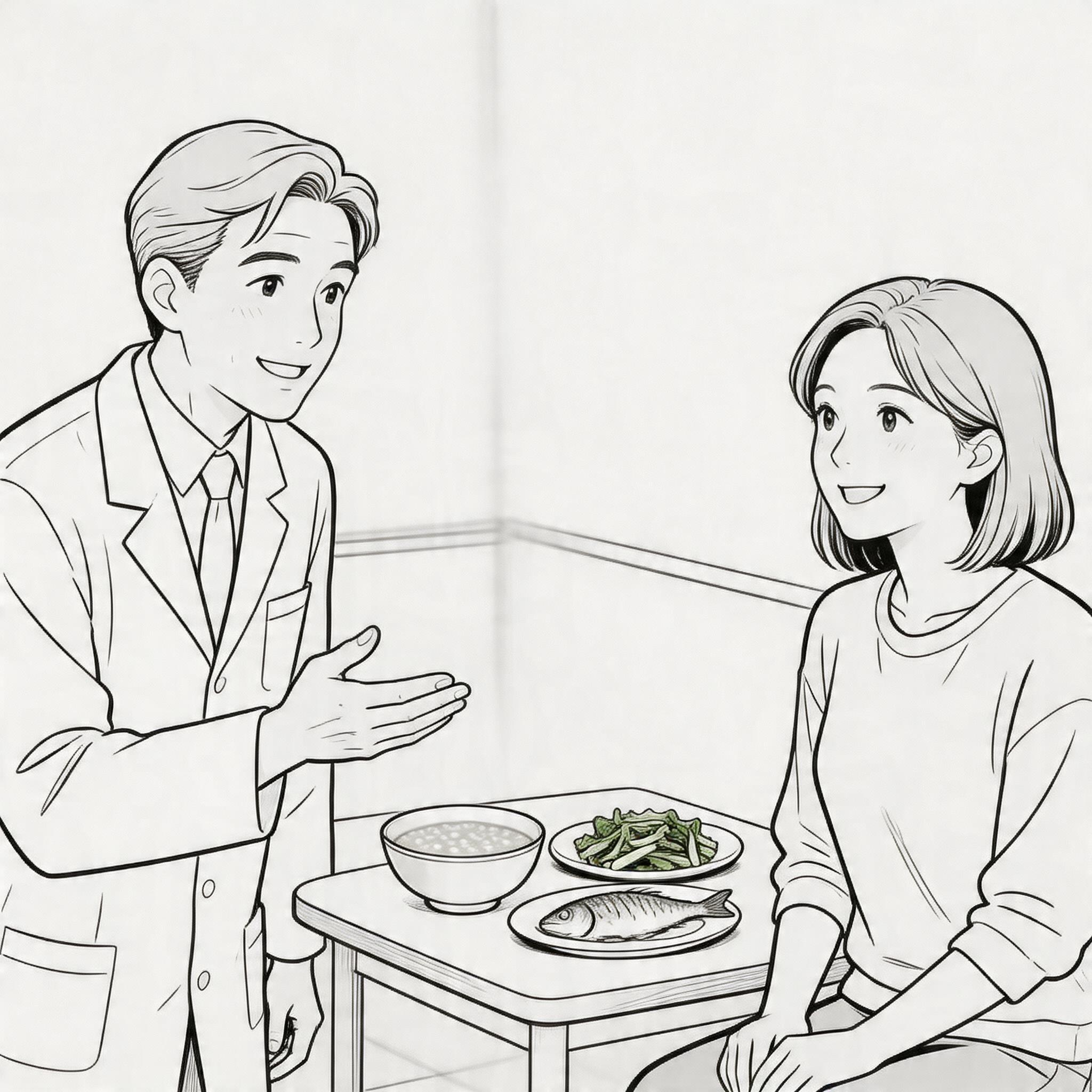
许多刚做完胆囊切除术的患者在复查时都会问我:“医生,我以后还能吃坚果吗?”答案是肯定的,但需要讲究时机和方法。
胆囊切除后,身体的消化发生了什么变化?
胆囊并不是分泌胆汁的器官,它更像是一个“胆汁仓库”。肝脏分泌胆汁后储存在胆囊中,当我们进食含有脂肪的食物时,胆囊会收缩排出大量胆汁来消化脂肪。切除胆囊后,肝脏分泌的胆汁会直接源源不断地流入肠道。虽然身体仍能消化脂肪,但在短时间内进食大量脂肪时,肠道内没有足够的胆汁浓度来将其乳化,从而容易出现消化不良。
术后恢复初期:暂缓食用坚果
坚果虽然富含优质蛋白、微量元素和不饱和脂肪酸,是公认的健康食品,但它的脂肪含量通常高达40%-60%。在术后1-2个月内,胃肠道功能尚在适应新的胆汁排泄模式。此时如果大量吃坚果,未经浓缩的胆汁无法及时消化这些植物脂肪,极易引发腹胀、脂肪泻(大便表面有油花且次数增多)等不适。因此,术后初期饮食应以低脂、清淡、易消化为主。
术后恢复后期:可以吃,但需掌握技巧
当身体逐渐适应无胆囊状态后(通常在术后1-2个月之后),就可以开始尝试吃坚果了。坚果中的不饱和脂肪酸(如Omega-3)对心血管有益,且含有丰富的膳食纤维,适量摄入有助于术后身体的全面恢复。建议从极少量开始,比如每天一小把(约15-20克),观察身体反应。
如何科学挑选和食用坚果?
- 选择原味:避免盐焗、糖炒或添加大量油脂的坚果,以免增加肝脏和肠胃负担。
- 细嚼慢咽:将坚果在口腔中充分咀嚼成糊状再咽下,或者研磨成坚果碎、坚果酱涂抹在面包上,这能大幅减轻胃肠道消化的压力。
- 搭配高纤维食物:和蔬菜、全谷物一起食用,膳食纤维有助于包裹部分脂肪,促进肠道蠕动。
- 注意个体差异:每次食用后留意身体反应,若出现右上腹隐痛或腹泻,应立即停止并延长低脂饮食的时间。
免责声明
本文内容仅供健康科普参考,不作为具体的临床诊疗依据。每位患者的手术方式与身体基础状况不同,具体的饮食过渡方案请务必遵从您的主治医生指导。
延伸阅读:推荐电子书
如果你希望更系统地了解胆囊切除术后饮食、腹泻、腹胀、脂肪消化与营养修复,可以进一步查看刘波医生整理的相关患者教育资料与电子书页面。
《手術成功了,為什麼我的身體變了?——膽囊切除後的飲食與營養修復》
参考文献
- 梅奥诊所 - 胆囊切除术后饮食指南: https://www.mayoclinic.org/zh-hans/tests-procedures/cholecystectomy/expert-answers/gallbladder-removal-diet/faq-20058477
- 美国国家糖尿病、消化和肾脏疾病研究所 (NIDDK) - 胆结石与饮食: https://www.niddk.nih.gov/health-information/digestive-diseases/gallstones/eating-diet-nutrition
- 妙佑医疗国际 - 消化系统健康与脂肪吸收: https://www.mayoclinic.org/healthy-lifestyle/nutrition-and-healthy-eating/in-depth/digestive-health/art-20044084
As a hepatobiliary surgeon, one of the most frequent questions I get from patients after a cholecystectomy (gallbladder removal surgery) is: "Doctor, can I still eat nuts?" The short answer is yes, but the nuances of how and when to eat them are crucial for a smooth recovery.
Understanding Your Digestive Changes
To understand why eating nuts requires caution, we must first look at what the gallbladder does. The gallbladder stores and concentrates bile produced by the liver. When you eat a fatty meal, the gallbladder releases a surge of bile into the small intestine to emulsify and digest the fat. When the gallbladder is removed, bile continuously drips directly from the liver into the intestine. While you can still digest fats, your body loses its ability to handle a large amount of fat all at once.
Early Recovery: Hold Off on the Nuts
Nuts are nutritional powerhouses, offering excellent protein, fiber, and heart-healthy unsaturated fats. However, they are also notoriously high in total fat. During the first 1 to 2 months after surgery, your digestive system is adapting to the continuous, lower-volume bile flow. Consuming high-fat foods like nuts during this period can overwhelm your digestive capacity. The unconcentrated bile simply cannot keep up, leading to uncomfortable symptoms such as severe bloating, abdominal cramps, and steatorrhea (fatty, oily diarrhea). Therefore, a strict low-fat diet is essential in the initial weeks.
Later Recovery: Reintroducing Nuts Safely
Once your body has had time to adapt—usually 1 to 2 months post-operation—you can safely reintroduce nuts into your diet. The healthy fats, proteins, and micronutrients found in nuts are beneficial for your overall long-term health and recovery. The key is moderation and gradual reintroduction.
Here are my top recommendations for eating nuts after gallbladder removal:
- Start Small: Limit your intake to a small handful (about 15-20 grams) per day initially. See how your digestive system reacts before increasing the amount.
- Chew Thoroughly: Digestion begins in the mouth. Chew nuts until they are almost a paste to reduce the workload on your stomach and intestines. Alternatively, try smooth nut butters (like natural peanut or almond butter) which are easier to digest.
- Choose Raw or Dry Roasted: Avoid nuts that are roasted in heavy oils, heavily salted, or coated in sugar. Raw or dry-roasted varieties provide the benefits without the added unnecessary fats that can trigger gastrointestinal distress.
- Pair with Fiber: Eating nuts alongside high-fiber foods, such as salads or whole grains, can help regulate digestion and slow down fat absorption, minimizing the risk of diarrhea.
- Listen to Your Body: Everyone's tolerance level is different. If you experience discomfort or fatty stools after eating a few nuts, stop, give your system a few weeks more to heal, and try again later.
Disclaimer
This blog post is intended for educational purposes only and should not be considered professional medical advice. Always consult with your surgeon or a registered dietitian for personalized dietary guidelines following your procedure.
References
- Mayo Clinic - Gallbladder removal diet: https://www.mayoclinic.org/tests-procedures/cholecystectomy/expert-answers/gallbladder-removal-diet/faq-20058477
- NIDDK - Eating, Diet, & Nutrition for Gallstones: https://www.niddk.nih.gov/health-information/digestive-diseases/gallstones/eating-diet-nutrition
- Cleveland Clinic - What to Eat After Gallbladder Surgery: https://health.clevelandclinic.org/gallbladder-removal-diet