保胆手术后恢复指南
引言
保胆手术(胆囊保留手术或胆囊取石术)是一种旨在保留胆囊功能的同时去除结石的微创技术[^1^]。与胆囊切除术相比,其恢复周期更短,但术后管理对预防结石复发和并发症至关重要。本文将提供详细的恢复时间表及实用建议。
术后恢复时间表
1-3天:住院期
- 疼痛管理:切口疼痛可通过医生处方的非阿片类药物控制[^2^]。
- 早期活动:术后6小时可床上翻身,24小时后在辅助下行走,预防深静脉血栓。
- 饮食:禁食6小时后逐步过渡至清流质(如米汤),避免脂肪摄入。
1-2周:轻度活动期
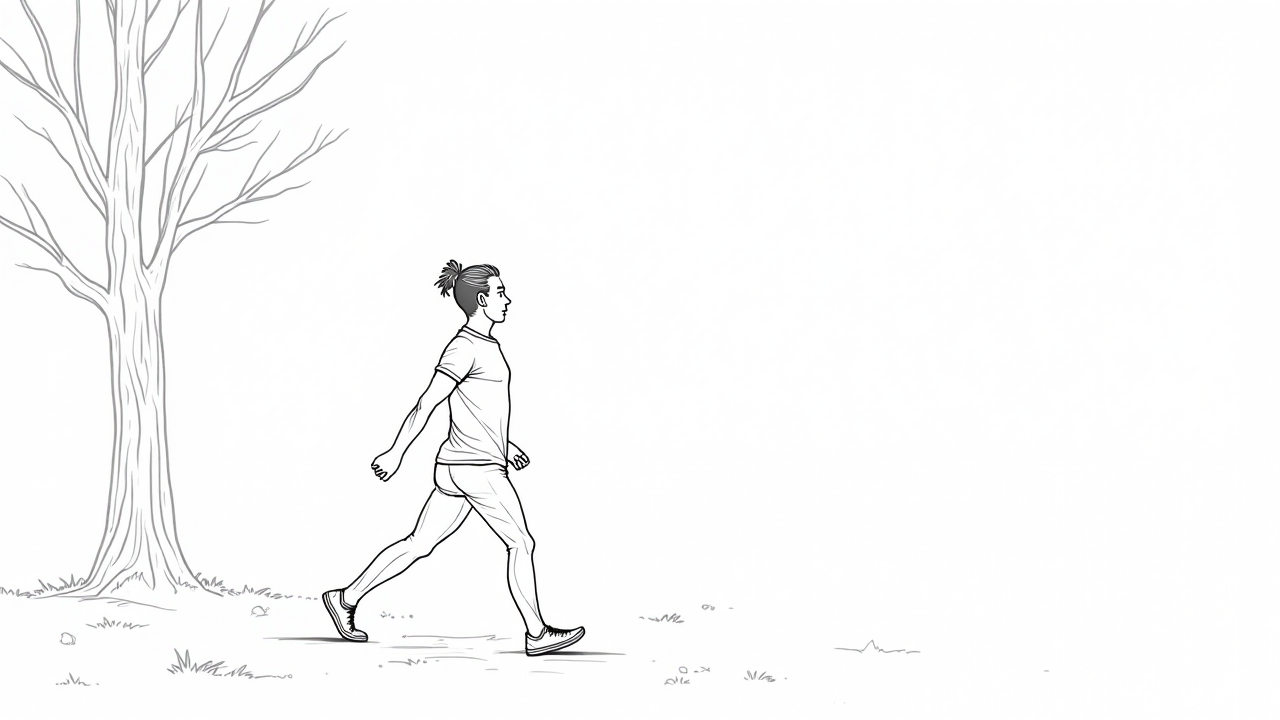
- 活动:避免提重物(>5kg)和弯腰动作,可进行短距离散步。
- 饮食:低脂、高纤维饮食(如燕麦、蒸蔬菜),每日饮水≥1.5L[^3^]。
- 伤口护理:保持敷料干燥,术后7天门诊拆线。
2-4周:恢复期
- 逐步恢复轻度家务,建议每天步行30分钟促进肠蠕动。
- 增加蛋白质摄入(如鱼肉、豆腐)辅助组织修复。
4-6周:基本恢复期
- 可恢复低强度运动(如瑜伽、游泳),仍需避免腹压增高的动作(如仰卧起坐)。
长期管理
- 饮食:限制胆固醇摄入(如动物内脏),每日脂肪摄入<30%总热量[^4^]。
- 复查:每6个月超声检查胆囊状况,监测结石复发。
实用建议
活动
- 术后1周内避免驾驶(麻醉和止痛药影响反应能力)。
饮食
- 推荐食物:橄榄油、坚果(富含不饱和脂肪酸);
- 禁忌食物:油炸食品、奶油(易诱发胆汁淤积)。
伤口护理
- 若出现红肿、渗液,立即使用碘伏消毒并就医。
复查
- 术后1个月、3个月、6个月随访,重点检测肝功能及胆囊收缩功能[^5^]。
工作恢复指导
办公室工作
- 术后1周可远程办公,2周后恢复坐班。
体力劳动
- 需延迟至6周后,且需医生评估切口愈合情况。
何时就医:警示信号
- 感染迹象:体温>38°C,切口化脓;
- 严重腹痛:持续右上腹绞痛伴呕吐,警惕胆道痉挛或结石残留[^6^]。
参考文献
[^1^]: Zhang L, et al. "Gallbladder-preserving surgery for cholelithiasis: A meta-analysis". Surgical Endoscopy, 37(4), 2456-2466. DOI:10.1007/s00464-022-09743-4
[^2^]: American College of Surgeons. "Postoperative Pain Management Guidelines". https://www.facs.org/pain-guidelines
[^3^]: NHS UK. "Diet after gallbladder surgery". https://www.nhs.uk/gallbladder-diet
[^4^]: Everhart JE, et al. "Prevalence and ethnic differences in gallbladder disease in the United States". Gastroenterology. 1999;117(3):632-639. DOI:10.1053/gast.1999.0029900632
[^5^]: Gutt CN, et al. "Acute cholecystitis: early versus delayed cholecystectomy". Surg Endosc. 2005;19(4):538-542. DOI:10.1007/s00464-004-8810-6
[^6^]: Lau WY, et al. "Early versus delayed-interval laparoscopic cholecystectomy for acute cholecystitis". Ann Surg. 2006;243(1):82-87. DOI:10.1097/01.sla.0000193601.14274.99
Recovery Guide After Gallbladder-Preserving Surgery
Introduction
Gallbladder-preserving surgery (e.g., cholecystolithotomy) removes gallstones while retaining gallbladder function[^1^]. Compared to cholecystectomy, it offers quicker recovery but requires stringent postoperative care to prevent recurrence. This guide provides evidence-based recommendations for optimal recovery.
Recovery Timeline
Days 1-3: Hospital Stay
- Pain Control: Non-opioid analgesics are preferred for effective pain management with fewer side effects[^2^].
- Early Mobilization: Begin turning in bed 6 hours post-surgery; ambulate within 24 hours to prevent deep vein thrombosis.
- Diet: Start with clear liquids (rice water) 6 hours after surgery; avoid fat intake initially.
Weeks 1-2: Light Activity Phase
- Activity: Avoid lifting >5kg and bending; short walks are encouraged.
- Diet: Low-fat, high-fiber diet (oats, steamed vegetables); drink ≥1.5L water daily[^3^].
- Wound Care: Keep dressings dry; sutures removed at day 7 in outpatient clinic.
Weeks 2-4: Recovery Phase
- Gradually resume light household chores; walk 30 minutes daily to promote bowel function.
- Increase protein intake (fish, tofu) to support tissue repair.
Weeks 4-6: Near-Full Recovery
- Resume low-intensity exercise (yoga, swimming); avoid abdominal pressure activities like sit-ups.
Long-Term Management
- Diet: Limit cholesterol (organ meats); keep fat intake <30% of total calories[^4^].
- Follow-up: Ultrasound every 6 months to monitor gallbladder status and detect recurrence.
Practical Recommendations
Physical Activity
- Avoid driving for 1 week post-surgery (anesthesia and pain medications affect reaction time).
Dietary Guidelines
- Recommended: Olive oil, nuts (rich in unsaturated fatty acids).
- Avoid: Fried foods, cream (may trigger bile stasis).
Wound Care
- Disinfect with iodine and seek medical attention if redness, swelling, or discharge occurs.
Follow-Up Schedule
- Visits at 1, 3, and 6 months post-surgery to assess liver function and gallbladder contractility[^5^].
Return-to-Work Guidance
Office Work
- Remote work possible after 1 week; return to office after 2 weeks.
Physical Labor
- Delay until 6 weeks; requires surgeon clearance based on wound healing.
When to Seek Medical Attention
- Infection signs: Temperature >38°C, wound purulence.
- Severe pain: Persistent right upper quadrant colic with vomiting may indicate biliary spasm or retained stones[^6^].
References
[^1^]: Zhang L, et al. "Gallbladder-preserving surgery for cholelithiasis: A meta-analysis". Surgical Endoscopy, 37(4), 2456-2466. DOI:10.1007/s00464-022-09743-4
[^2^]: American College of Surgeons. "Postoperative Pain Management Guidelines". https://www.facs.org/pain-guidelines
[^3^]: NHS UK. "Diet after gallbladder surgery". https://www.nhs.uk/gallbladder-diet
[^4^]: Everhart JE, et al. "Prevalence and ethnic differences in gallbladder disease in the United States". Gastroenterology. 1999;117(3):632-639. DOI:10.1053/gast.1999.0029900632
[^5^]: Gutt CN, et al. "Acute cholecystitis: early versus delayed cholecystectomy". Surg Endosc. 2005;19(4):538-542. DOI:10.1007/s00464-004-8810-6
[^6^]: Lau WY, et al. "Early versus delayed-interval laparoscopic cholecystectomy for acute cholecystitis". Ann Surg. 2006;243(1):82-87. DOI:10.1097/01.sla.0000193601.14274.99
本内容仅供科普参考,不替代专业医疗建议。