先说结论(30秒读完)
保胆取石手术保留了有功能的胆囊,但结石复发是最受关注的问题。通过规范选择手术适应证、术后坚持药物治疗、调整饮食结构和定期随访,可以有效降低复发风险。保胆不是"取完就不管",术后的长期管理同样重要。
保胆取石后复发率有多高?
保胆取石术后的结石复发率因研究方法和随访时间不同而有较大差异。总体来说:
- 短期(1-2年):复发率相对较低,多数研究报道在10%以下。
- 中期(3-5年):部分研究显示累积复发率有所上升。
- 长期(10年以上):有研究报道长期随访的累积复发率可超过30%,但也有研究通过严格的患者筛选和术后管理,将复发率控制在较低水平。
临床实例:李女士三年前在外院做了保胆取石手术,术后没有按医嘱服药和随访,近期复查发现胆囊内又出现了多发结石。她很后悔没有重视术后的预防管理。
需要强调的是,复发率的高低与患者的选择标准密切相关。严格筛选适合保胆的患者(如胆囊功能良好、结石数量少、无严重炎症),复发率会显著降低。
哪些因素容易导致复发?
了解复发的危险因素,有助于有针对性地预防:
- 胆囊功能状态:术前胆囊收缩功能差的患者,术后复发风险更高。胆囊排空不畅会导致胆汁淤积,为结石形成创造条件。
- 结石的数量和类型:多发结石、胆固醇结石患者复发风险相对更高。
- 体重和代谢因素:肥胖、高脂血症、胰岛素抵抗等代谢异常是胆结石形成的重要诱因。
- 饮食习惯:长期高脂高热量饮食、不吃早餐、饮食不规律会增加复发风险。
- 遗传因素:家族中有胆结石病史的人群复发风险可能更高。
常见误区:有人认为保胆取石后就万事大吉,不需要再管胆囊了。实际上,形成结石的"土壤"——胆汁的成分异常——可能依然存在,需要持续管理。
如何预防保胆取石后的复发?
饮食管理
饮食调整是预防复发的基石:
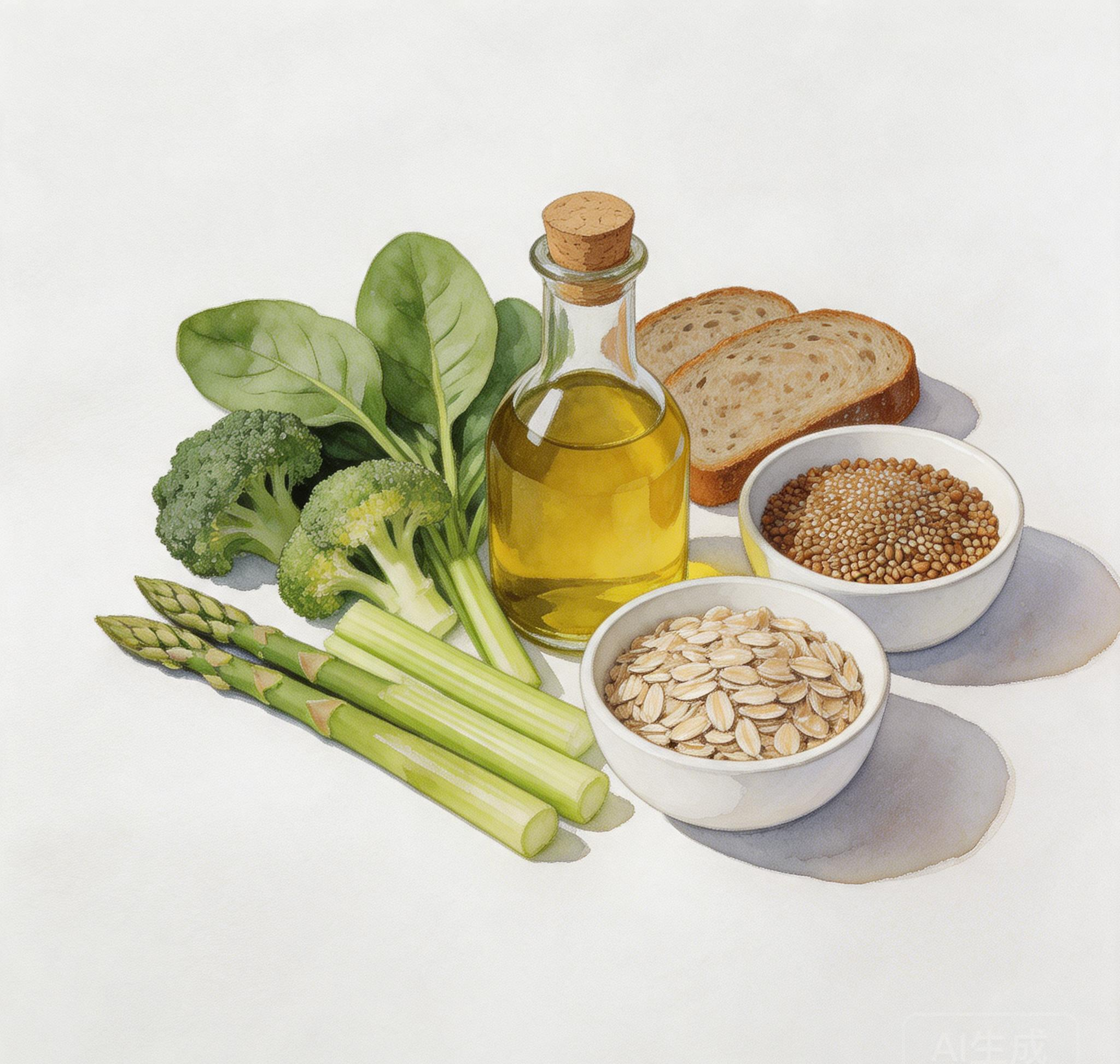
- 规律饮食:每天定时三餐,尤其不要跳过早餐。空腹时间过长会导致胆汁在胆囊内过度浓缩,增加结石形成风险。
- 控制脂肪摄入:选择优质脂肪来源(如橄榄油、坚果),减少油炸食品和动物内脏。
- 增加膳食纤维:蔬菜、水果和全谷物中的纤维有助于促进胆汁酸排泄,减少胆固醇过饱和。
- 适量饮水:每天保持充足水分摄入,有助于稀释胆汁。
临床实例:王先生保胆术后坚持每天吃早餐,减少油腻食物,增加蔬菜摄入。五年随访复查,胆囊内未见新发结石,胆囊功能保持良好。
药物预防
术后药物预防是降低复发的重要手段:
- 熊去氧胆酸(UDCA):是目前应用最广泛的预防复发药物,通过改变胆汁成分来降低胆固醇结石的复发风险。通常建议术后持续服用3-6个月或更长时间,具体方案需遵医嘱。
- 其他利胆药物:部分利胆中成药也有辅助预防作用,但需在医生指导下使用。
定期随访
随访是保胆术后管理的关键环节:
- 术后3个月:首次复查,评估胆囊功能和胆汁情况。
- 术后半年至一年:B超检查有无新发结石。
- 此后每年:至少一次B超复查,监测胆囊状态。
为什么随访如此重要? 即使出现复发,早期发现的结石通常体积较小、数量较少,处理起来更简单。等到出现症状才就医,往往错过了最佳的干预时机。
保胆术后出现哪些情况需要及时就医?
- 右上腹疼痛反复发作
- 出现发热、黄疸
- 持续消化不良、腹胀不缓解
- B超发现新发结石增大或增多
出现以上情况并不意味着保胆失败,但需要及时评估,调整治疗方案。
结语
保胆取石是一项保留器官功能的治疗选择,但术后的预防管理决定了长期效果。饮食调整、药物预防和定期随访,三者缺一不可。如果您正在考虑保胆手术或已经做了保胆手术,请务必与您的主治医生讨论个性化的术后管理方案。
参考文献
- Claessen NJHM, et al. Percutaneous cholecystolithotomy: is gall stone recurrence inevitable? Gut. 1990. PMC1374759
- Zhang Y, et al. Reconsideration of indications for choledochoscopic gallbladder-preserving surgery and preventive measures for postoperative recurrence of gallstones. J Int Med Res. 2020. PMC7020701
- Costi R, et al. Cholecystolithotomy, a new approach to reduce recurrent gallstone ileus. * BMC Surg*. 2019. PMC6442528
English Version
Preventing Gallstone Recurrence After Gallbladder-Preserving Surgery
The Bottom Line
Gallbladder-preserving surgery (cholecystolithotomy) retains a functioning gallbladder, but stone recurrence is the primary concern for patients and surgeons alike. Through careful patient selection, postoperative medication, dietary modification, and regular follow-up, recurrence risk can be significantly reduced. Gallbladder preservation is not a "fix-it-and-forget-it" procedure — long-term management is equally important.
How Common Is Recurrence?
Recurrence rates vary depending on study design and follow-up duration:
- Short-term (1–2 years): Most studies report recurrence rates below 10%.
- Medium-term (3–5 years): Cumulative recurrence gradually increases in some studies.
- Long-term (10+ years): Some studies report cumulative recurrence exceeding 30%, though centers with strict patient selection and structured postoperative care achieve lower rates.
Clinical Case: Ms. Li underwent gallbladder-preserving surgery three years ago but did not follow her doctor's recommendations for medication or follow-up visits. A recent ultrasound revealed multiple new stones in her gallbladder. She deeply regretted not taking postoperative prevention seriously.
Risk Factors for Recurrence
Understanding risk factors helps target prevention:
- Gallbladder function: Poor preoperative contractile function increases recurrence risk. Incomplete emptying leads to bile stasis, creating favorable conditions for stone formation.
- Stone characteristics: Multiple stones and cholesterol-type stones carry higher recurrence risk.
- Metabolic factors: Obesity, hyperlipidemia, and insulin resistance promote gallstone formation.
- Dietary habits: High-fat diets, skipping breakfast, and irregular meal patterns increase risk.
- Genetics: A family history of gallstones may elevate recurrence risk.
Common Misconception: Some believe that once stones are removed, the gallbladder no longer needs attention. In reality, the underlying bile composition abnormalities that caused the stones may persist.
Prevention Strategies
Dietary Management
- Regular meals: Eat three meals daily at consistent times — never skip breakfast. Prolonged fasting concentrates bile, increasing stone-forming potential.
- Control fat intake: Choose healthy fats (olive oil, nuts) over fried foods and animal fats.
- Increase fiber: Vegetables, fruits, and whole grains promote bile acid excretion.
- Stay hydrated: Adequate water intake helps dilute bile.
Medication
- Ursodeoxycholic acid (UDCA): The most widely used medication for preventing recurrence. It alters bile composition to reduce cholesterol supersaturation. Typically recommended for 3–6 months or longer post-surgery, as directed by your surgeon.
- Other cholagogues: Some traditional Chinese medicines may help, but only under medical supervision.
Regular Follow-Up
- 3 months post-surgery: First follow-up to assess gallbladder function.
- 6–12 months: Ultrasound to check for new stones.
- Annually thereafter: At least one ultrasound to monitor gallbladder status.
Why is follow-up critical? Early-detected recurrent stones are usually smaller and fewer, making management simpler. Waiting until symptoms appear often means missing the optimal intervention window.
When to Seek Medical Attention
- Recurrent right upper quadrant pain
- Fever or jaundice
- Persistent indigestion or bloating
- New or growing stones on ultrasound
These signs do not necessarily mean gallbladder preservation has failed, but they warrant prompt evaluation.
Conclusion
Gallbladder-preserving surgery offers the advantage of retaining organ function, but long-term outcomes depend on postoperative management. Dietary modification, medication, and regular follow-up are all essential. If you are considering or have undergone gallbladder-preserving surgery, discuss a personalized postoperative management plan with your surgeon.
References
- Claessen NJHM, et al. Gut. 1990. PMC1374759
- Zhang Y, et al. J Int Med Res. 2020. PMC7020701
- Costi R, et al. BMC Surg. 2019. PMC6442528