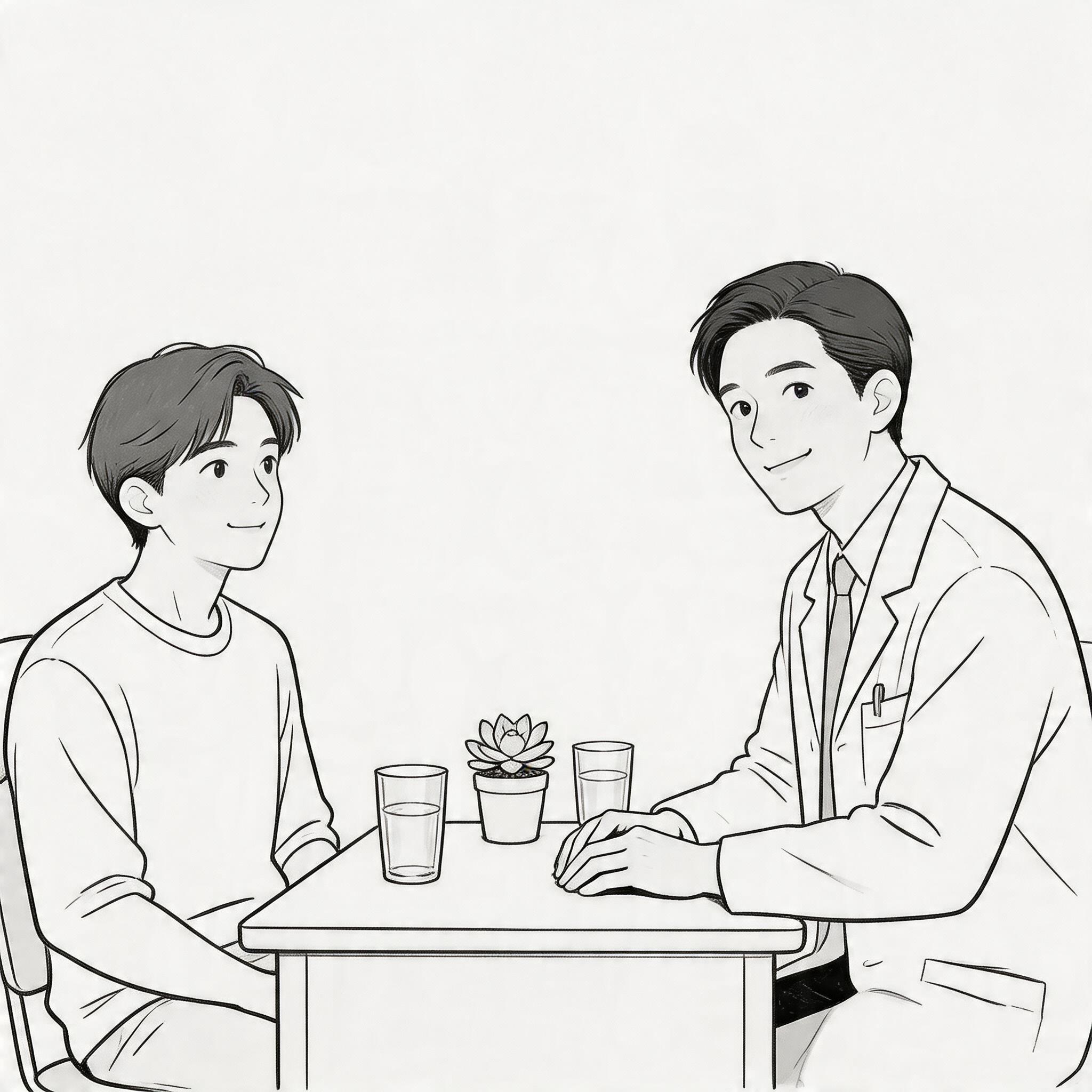
胆囊结石是肝胆外科最常见的疾病之一。许多患者在确诊后,第一个问题往往是:“医生,我可以不切除胆囊吗?”事实上,对于部分符合严格适应症的患者,确实存在非手术治疗的方案。本文将为您详细科普胆囊结石的非手术治疗方法。
口服溶石药物 (熊去氧胆酸)
口服药物溶石是最经典的保守治疗手段,最常用的药物是熊去氧胆酸(UDCA)。它通过降低胆汁中的胆固醇饱和度来缓慢溶解结石。然而,药物溶石的条件非常苛刻:通常要求结石必须是透X线的纯粹胆固醇结石,胆囊收缩功能良好,且结石直径较小(一般小于1厘米)。其缺点在于疗程漫长(通常需半年到两年),且停药后结石复发率高达50%以上。
体外冲击波碎石 (ESWL)
体外冲击波碎石利用高能冲击波将胆囊结石击碎,使其变成细小颗粒,随后配合溶石药物排出。这种方法主要适用于单发或少发、直径适中的结石,且要求胆囊管必须通畅。其局限性在于碎石容易卡在胆囊管或胆总管,引发急性胆囊炎、胆管炎或急性胰腺炎等严重并发症,目前临床上已较少常规使用。
经皮经肝胆囊穿刺引流 (PTGBD)
针对高龄、合并严重心肺疾病无法耐受全身麻醉和手术的急性胆囊炎患者,经皮经肝胆囊穿刺置管引流(PTGBD)是一种有效的过渡性微创治疗。在B超引导下将导管置入胆囊引流胆汁,可迅速控制感染。待患者一般情况好转后,再评估是否进行二期胆囊切除。严格来说,这并非治愈结石的方法,而是为手术创造条件的姑息手段。
中医药及饮食干预
许多患者寻求中药排石。中药在缓解胆绞痛、改善胆囊功能及消炎利胆方面有一定辅助作用,但直接“化掉”较大结石的科学证据尚不充分。盲目排石存在结石掉入胆总管的风险。在饮食方面,低脂、低胆固醇饮食虽不能消除结石,但能有效减少胆囊收缩,降低胆绞痛发作的频率。
非手术治疗的适应症与局限性
作为肝胆外科医生,我必须强调:目前国内外指南仍将腹腔镜胆囊切除术作为有症状胆囊结石的“金标准”。非手术方法通常只适用于:1. 有严重手术禁忌症的患者;2. 胆囊功能良好且结石极小的静止期胆固醇结石;3. 患者本人对保留胆囊有极其强烈的意愿并愿承担复发风险。非手术治疗的根本痛点在于“保留了病变的胆囊”,只要病灶环境还在,结石复发几乎只是时间问题。
免责声明:本文内容仅供科普参考,不能替代专业医师的面诊建议。如有不适,请务必前往正规医院就诊。
延伸阅读:推荐电子书
如果你希望更系统地了解胆囊切除术后饮食、腹泻、腹胀、脂肪消化与营养修复,可以进一步查看刘波医生整理的相关患者教育资料与电子书页面。
《手術成功了,為什麼我的身體變了?——膽囊切除後的飲食與營養修復》
参考文献
- 中华医学会外科学分会胆道外科学组. 中国慢性胆囊炎、胆囊结石内科诊疗共识意见(2018年). http://www.cmacsl.org.cn
- Mayo Clinic. Gallstones - Diagnosis and treatment. https://www.mayoclinic.org/diseases-conditions/gallstones/diagnosis-treatment/drc-20354219
- UpToDate. Nonsurgical management of gallstones. https://www.uptodate.com/contents/nonsurgical-management-of-gallstones
Gallstones are one of the most common gastrointestinal conditions encountered by hepatobiliary surgeons. When diagnosed with gallstones, many patients immediately ask: "Doctor, can I treat this without removing my gallbladder?" For a select group of patients who meet specific criteria, non-surgical treatment options do exist. As a senior hepatobiliary surgeon, I will guide you through these alternative approaches.
Oral Dissolution Therapy (Ursodeoxycholic Acid)
Oral dissolution therapy is the most well-known conservative treatment. The most commonly used medication is Ursodeoxycholic Acid (UDCA). It works by reducing the cholesterol saturation in bile, slowly dissolving cholesterol-based stones. However, the criteria for this treatment are incredibly strict: the stones must be purely cholesterol-based (radiolucent), the gallbladder must be functioning properly, and the stones should ideally be small (less than 1 cm). The downsides include a very long treatment duration (ranging from 6 months to 2 years) and a high recurrence rate, often exceeding 50% once the medication is stopped.
Extracorporeal Shock Wave Lithotripsy (ESWL)
ESWL uses high-energy shock waves to break gallstones into smaller fragments, which are then either passed naturally or dissolved using oral medications. It is typically reserved for patients with a small number of stones and a patent cystic duct. The main limitation is the risk of stone fragments becoming lodged in the cystic duct or common bile duct, potentially leading to acute cholecystitis, cholangitis, or acute pancreatitis. Therefore, it is rarely used in modern clinical practice for gallstones.
Percutaneous Transhepatic Gallbladder Drainage (PTGBD)
For elderly patients or those with severe cardiopulmonary diseases who cannot tolerate general anesthesia during an acute gallbladder attack, PTGBD is a lifesaving, minimally invasive option. Under ultrasound guidance, a catheter is inserted into the gallbladder to drain the infected bile. This rapidly controls the infection. Strictly speaking, PTGBD is not a cure for gallstones; rather, it is a bridge therapy to stabilize the patient until a definitive cholecystectomy can be safely performed later.
Dietary Interventions
While dietary changes cannot dissolve existing stones, they are crucial in managing symptoms. A low-fat and low-cholesterol diet reduces the stimulus for the gallbladder to contract, thereby minimizing the frequency and severity of painful biliary colic attacks. Maintaining a healthy weight and avoiding rapid weight loss are also essential preventive strategies.
Indications and Limitations
It is crucial to emphasize that current medical guidelines still consider Laparoscopic Cholecystectomy the "gold standard" for symptomatic gallstones. Non-surgical treatments are generally reserved for patients with severe medical conditions that contraindicate surgery, or those with asymptomatic, small cholesterol stones. The fundamental flaw of non-surgical management is that the pathological gallbladder environment remains, making stone recurrence highly likely over time.
Disclaimer: This article is for informational purposes only and does not substitute for professional medical advice. Always consult a qualified healthcare provider for diagnosis and treatment.