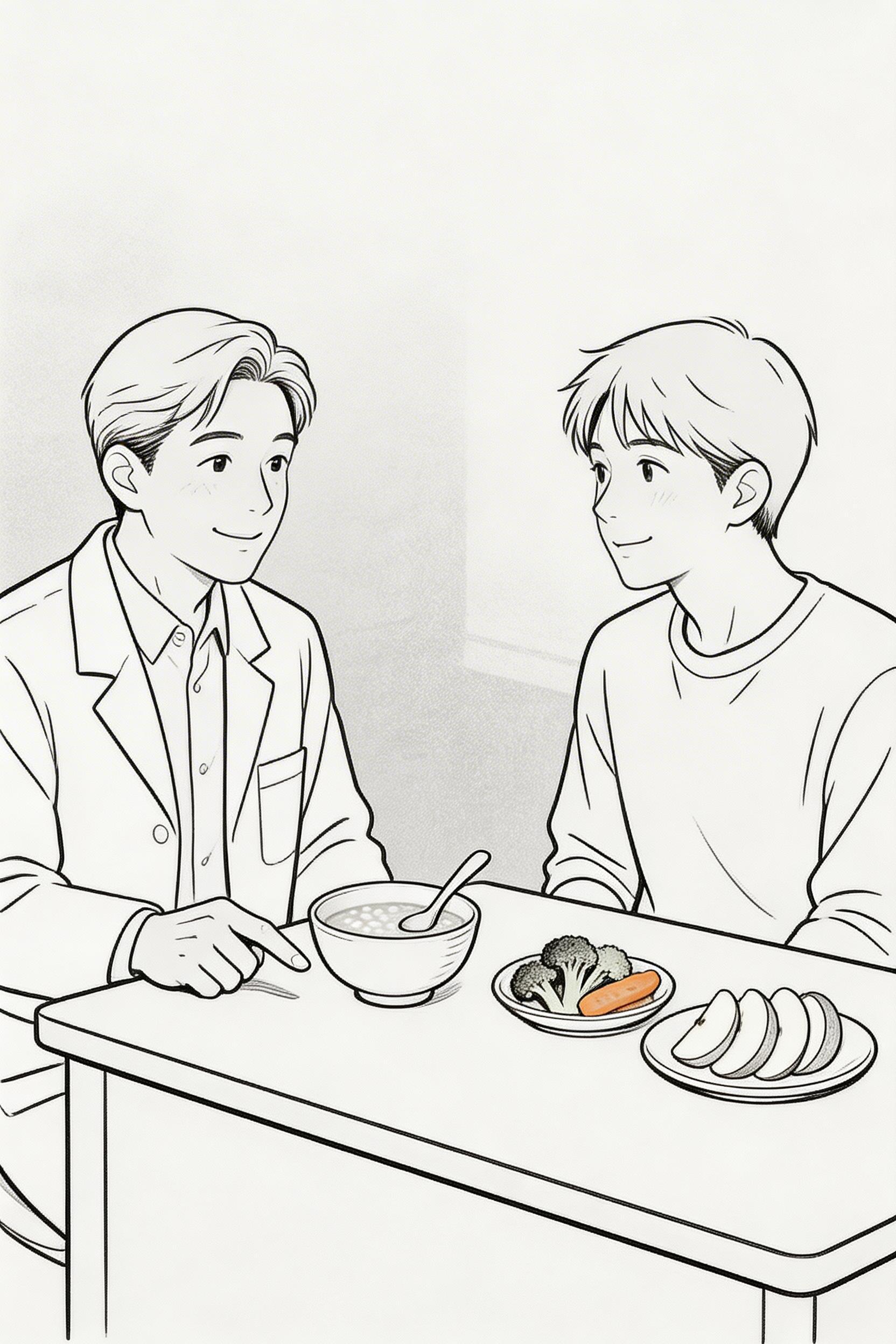
为什么胆囊切除后会出现腹泻和消化不良?
胆囊切除术后,胆汁不再被储存和浓缩,而是持续不断地从肝脏直接流入肠道。这种持续的胆汁流可刺激结肠黏膜,导致胆汁酸性腹泻。同时,进餐时缺少集中释放的浓缩胆汁,脂肪乳化能力下降,容易引发脂肪泻和消化不良。据统计,约5%-15%的患者在术后会经历不同程度的腹泻和消化不良症状。
术后饮食调整四步走
第一步:低脂起步
术后1-2周内,每日脂肪摄入量应控制在40克以内。选择瘦肉、鱼肉、鸡蛋白等优质低脂蛋白来源。
第二步:少量多餐
将每日三餐改为五至六次小餐,每餐七分饱,减轻消化系统负担。
第三步:逐步引入纤维
可溶性膳食纤维(如燕麦、苹果、香蕉)有助于吸收多余水分,改善腹泻症状。建议每日摄入25-30克。
第四步:循序渐进恢复
术后4-6周起可逐步增加脂肪摄入量,每周增加约10克,观察耐受情况。
推荐与禁忌食物清单
✅ 推荐食物:清蒸鱼、水煮鸡胸肉、米饭、馒头、熟透蔬菜、去皮水果、低脂酸奶。
❌ 禁忌食物:油炸食品、肥肉、奶油蛋糕、辛辣食物、咖啡因、酒精、生冷食物。
药物辅助治疗方案
当饮食调整效果不佳时,可考虑以下药物辅助:
- 考来烯胺(消胆胺):胆汁酸结合树脂,可有效减少胆汁酸对结肠的刺激,是治疗胆汁酸性腹泻的一线药物。
- 益生菌制剂:双歧杆菌和乳酸杆菌有助于恢复肠道菌群平衡,改善腹泻和腹胀。
- 胰酶制剂:辅助脂肪消化吸收,减轻脂肪泻症状。
- 蒙脱石散:保护肠黏膜,缓解腹泻。
何时需要及时就医?
多数患者术后症状在数周至数月内逐渐改善,但若出现以下情况应及时复诊:
- 腹泻持续超过两周未见好转
- 出现明显脱水症状(口渴、尿少、头晕)
- 体重在一个月内下降超过3公斤
- 大便带血或呈黑色柏油样
- 伴随持续发热或剧烈腹痛
延伸阅读:推荐电子书
如果你希望更系统地了解胆囊切除术后饮食、腹泻、腹胀、脂肪消化与营养修复,可以进一步查看刘波医生整理的相关患者教育资料与电子书页面。
《手術成功了,為什麼我的身體變了?——膽囊切除後的飲食與營養修復》
参考文献
- Mayo Clinic - Cholecystectomy: https://www.mayoclinic.org/tests-procedures/cholecystectomy/about/pac-20384818
- UpToDate - Postcholecystectomy syndrome: https://www.uptodate.com/contents/postcholecystectomy-syndrome
- NIH - Gallstones and digestive diseases: https://www.niddk.nih.gov/health-information/digestive-diseases/gallstones
- BMC Medicine - Bile acid diarrhea: https://www.ncbi.nlm.nih.gov/pmc/articles/PMC8996562/
免责声明:本文仅供健康科普参考,不构成医疗诊断或治疗建议。具体用药及治疗方案请务必咨询您的主治医生或专业医疗机构。每位患者情况不同,请勿自行用药或调整治疗方案。
Managing Diarrhea and Indigestion After Cholecystectomy
Understanding the Root Cause
After gallbladder removal, bile is no longer stored and concentrated but flows continuously from the liver directly into the intestines. This constant bile flow irritates the colonic mucosa, leading to bile acid diarrhea. Additionally, without a concentrated bolus of bile released during meals, fat emulsification becomes less efficient, resulting in steatorrhea and indigestion. Studies indicate that approximately 5-15% of post-cholecystectomy patients experience clinically significant diarrhea and digestive discomfort.
Dietary Management: A Four-Phase Approach
Phase 1: Low-Fat Initiation (Weeks 1-2)
Restrict daily fat intake to approximately 40 grams. Focus on lean proteins such as steamed fish, skinless chicken breast, and egg whites. Avoid all fried foods and high-fat dairy products.
Phase 2: Small, Frequent Meals
Transition from three large meals to five or six smaller portions throughout the day. Eating smaller amounts reduces the digestive burden and allows bile to more effectively process incoming fats.
Phase 3: Strategic Fiber Introduction
Soluble fiber from oats, apples, bananas, and cooked vegetables absorbs excess water in the intestines and helps form firmer stools. Aim for 25-30 grams of fiber daily, increasing gradually to avoid bloating.
Phase 4: Gradual Fat Reintroduction (Weeks 4-6)
Slowly increase fat intake by approximately 10 grams per week while monitoring tolerance. Most patients can return to a near-normal diet within 2-3 months.
Foods to Embrace and Avoid
Recommended: Steamed fish, boiled poultry, rice, plain toast, well-cooked vegetables, peeled fruits, low-fat yogurt, and clear soups.
Avoid: Fried foods, fatty meats, cream-based sauces, spicy dishes, caffeine, alcohol, and raw cold foods.
Pharmacological Interventions
When dietary modifications alone prove insufficient, several medications can help:
- Cholestyramine (Questran): A bile acid sequestrant resin that binds bile acids in the intestine, reducing colonic irritation. This is the first-line treatment for bile acid diarrhea.
- Probiotics: Strains containing Bifidobacterium and Lactobacillus help restore healthy gut flora balance and improve both diarrhea and bloating symptoms.
- Pancreatic Enzyme Supplements: Assist with fat digestion and absorption, particularly useful for patients experiencing steatorrhea.
- Smectite Powder: Protects the intestinal mucosa and helps reduce diarrhea frequency.
When to Seek Medical Attention
While most symptoms improve within weeks to months post-surgery, patients should contact their surgeon or gastroenterologist promptly if they experience:
- Diarrhea persisting beyond two weeks without improvement
- Signs of dehydration (excessive thirst, reduced urine output, dizziness)
- Unintentional weight loss exceeding 3 kg within one month
- Blood in stool or black, tarry stools
- Persistent fever or severe abdominal pain
References
- Mayo Clinic - Cholecystectomy Overview: https://www.mayoclinic.org/tests-procedures/cholecystectomy/about/pac-20384818
- UpToDate - Postcholecystectomy Syndrome: https://www.uptodate.com/contents/postcholecystectomy-syndrome
- NIDDK - Gallstones and Digestive Diseases: https://www.niddk.nih.gov/health-information/digestive-diseases/gallstones
- BMC Medicine - Bile Acid Diarrhea Research: https://www.ncbi.nlm.nih.gov/pmc/articles/PMC8996562/
Disclaimer: This article is intended for health education purposes only and does not constitute medical diagnosis or treatment advice. Please consult your attending physician or healthcare provider for personalized treatment recommendations. Every patient's condition is unique, and medications should never be self-prescribed or adjusted without professional guidance.