什么是胆囊炎并发症
胆囊炎是肝胆外科常见疾病,当胆囊发生炎症且未得到及时有效治疗时,可能引发一系列严重并发症。作为肝胆外科医生,我常见到因忽视早期症状而导致病情加重的患者。了解这些并发症,对于及时就医至关重要。
常见严重并发症类型
1. 胆囊穿孔
这是最危险的并发症之一,发生率约2-11%。当胆囊壁因炎症坏死而破裂时,胆汁流入腹腔,可导致弥漫性腹膜炎,危及生命。老年人、糖尿病患者及发病超过72小时的患者风险更高。
2. 急性胆管炎
当结石从胆囊进入胆总管造成梗阻时,细菌逆行感染可引发急性化脓性胆管炎。典型表现为Charcot三联征:右上腹痛、高热寒战、黄疸。这是外科急症,需紧急处理。
3. 胆源性胰腺炎
胆囊结石通过胆总管下端时,可能堵塞胰管开口,引发急性胰腺炎。患者会出现剧烈上腹痛并向腰背部放射,伴有恶心呕吐。
4. 胆囊坏疽与脓肿
炎症持续加重可导致胆囊壁坏死,形成胆囊周围脓肿。这类患者往往全身感染症状严重,需要紧急手术干预。
并发症的早期识别信号
识别并发症的预警信号非常重要:
- 持续性剧烈腹痛:疼痛超过6小时不缓解或突然加重
- 高热不退:体温超过38.5°C,伴寒战
- 意识改变:出现烦躁、嗜睡等表现
- 腹膜刺激征:腹部按压疼痛加剧,腹部僵硬
- 黄疸:皮肤、眼白发黄
出现上述症状,应立即就医。
科学预防策略
积极治疗原发病
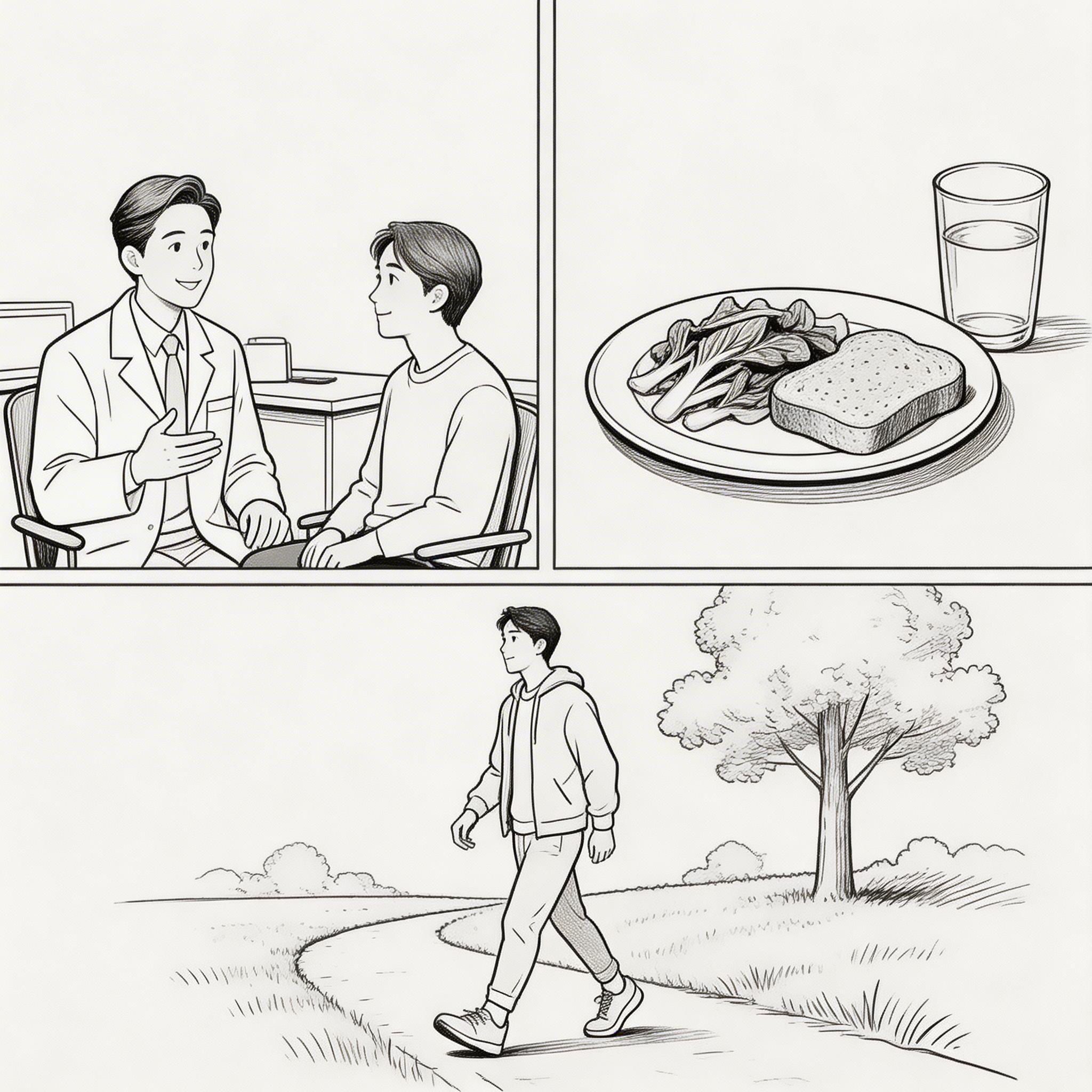
确诊胆囊炎后,应在医生指导下规范治疗。对于有手术指征的患者,尽早行腹腔镜胆囊切除术是预防并发症的根本方法。
生活方式调整
- 规律饮食:按时进餐,避免长时间空腹
- 低脂饮食:减少油腻、高胆固醇食物摄入
- 适度运动:保持健康体重,避免快速减肥
- 充分饮水:每日饮水2000ml以上
高危人群重点监测
糖尿病、肥胖、老年患者应定期进行腹部超声检查,发现胆囊结石及早评估处理。
手术时机选择
对于急性胆囊炎,发病72小时内行腹腔镜胆囊切除术是理想时机。延误手术可能增加中转开腹率和并发症风险。对于合并胆管结石的患者,可考虑ERCP取石后再行胆囊切除。
结语
胆囊炎并发症虽然严重,但通过及时识别和规范治疗,大多数可以预防。如有胆囊疾病,建议尽早就诊肝胆外科专科,制定个体化治疗方案。
免责声明:本文仅供健康科普教育参考,不能替代专业医疗建议。如有不适,请及时就医。
References
- https://www.ncbi.nlm.nih.gov/pmc/articles/PMC4169870/
- https://www.mayoclinic.org/diseases-conditions/cholecystitis/symptoms-causes/syc-20364867
- https://emedicine.medscape.com/article/171886-overview
- https://www.worldgastroenterology.org/guidelines/global-guidelines/gallstones
Understanding Cholecystitis Complications
Cholecystitis is a common condition in hepatobiliary surgery. When gallbladder inflammation is not treated promptly and effectively, it can lead to a series of serious complications. As a hepatobiliary surgeon, I frequently encounter patients whose conditions have worsened due to ignoring early symptoms. Understanding these complications is crucial for seeking timely medical care.
Types of Serious Complications
1. Gallbladder Perforation
This is one of the most dangerous complications, with an incidence rate of approximately 2-11%. When the gallbladder wall necroses due to inflammation and ruptures, bile flows into the abdominal cavity, potentially causing diffuse peritonitis that can be life-threatening. Elderly patients, diabetics, and those with symptoms lasting over 72 hours are at higher risk.
2. Acute Cholangitis
When gallstones migrate from the gallbladder into the common bile duct causing obstruction, bacterial retrograde infection can trigger acute suppurative cholangitis. The classic presentation is Charcot's triad: right upper quadrant pain, high fever with chills, and jaundice. This is a surgical emergency requiring immediate intervention.
3. Biliary Pancreatitis
When gallstones pass through the lower end of the common bile duct, they may block the pancreatic duct opening, triggering acute pancreatitis. Patients experience severe upper abdominal pain radiating to the back, accompanied by nausea and vomiting.
4. Gallbladder Gangrene and Abscess
Persistent worsening inflammation can lead to gallbladder wall necrosis, forming a pericholecystic abscess. These patients often present with severe systemic infection symptoms and require emergency surgical intervention.
Early Recognition Warning Signs
Recognizing early warning signs of complications is essential:
- Persistent severe abdominal pain: Pain lasting over 6 hours without relief or sudden worsening
- Persistent high fever: Temperature exceeding 38.5°C with chills
- Altered consciousness: Agitation, drowsiness, or confusion
- Peritoneal signs: Worsening pain on abdominal palpation, abdominal rigidity
- Jaundice: Yellowing of skin and whites of eyes
If these symptoms occur, seek immediate medical attention.
Scientific Prevention Strategies
Active Treatment of Primary Disease
After diagnosis of cholecystitis, standardized treatment should be followed under physician guidance. For patients with surgical indications, early laparoscopic cholecystectomy is the fundamental approach to prevent complications.
Lifestyle Modifications
- Regular meals: Eat on schedule, avoid prolonged fasting
- Low-fat diet: Reduce intake of greasy, high-cholesterol foods
- Moderate exercise: Maintain healthy weight, avoid rapid weight loss
- Adequate hydration: Drink at least 2000ml daily
Enhanced Monitoring for High-Risk Groups
Diabetic, obese, and elderly patients should undergo regular abdominal ultrasound examinations. When gallstones are detected, early evaluation and management should be pursued.
Timing of Surgical Intervention
For acute cholecystitis, laparoscopic cholecystectomy within 72 hours of symptom onset is ideal. Delayed surgery may increase conversion rates to open surgery and complication risks. For patients with concurrent bile duct stones, consider ERCP stone extraction followed by cholecystectomy.
Conclusion
While cholecystitis complications can be serious, most are preventable through timely recognition and standardized treatment. If you have gallbladder disease, I recommend consulting a hepatobiliary surgery specialist early to develop an individualized treatment plan.
Disclaimer: This article is for health education purposes only and cannot replace professional medical advice. If you experience discomfort, please seek medical attention promptly.
延伸阅读:推荐电子书
如果你希望更系统地了解胆囊切除术后饮食、腹泻、腹胀、脂肪消化与营养修复,可以进一步查看刘波医生整理的相关患者教育资料与电子书页面。
《手術成功了,為什麼我的身體變了?——膽囊切除後的飲食與營養修復》